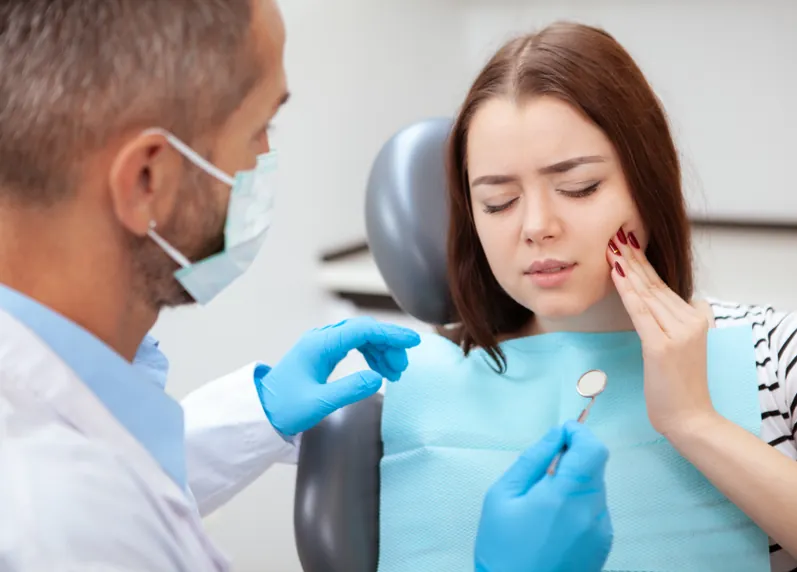
If you get a toothache while visiting Washington, DC, call a local dentist first and manage the pain with warm-water rinses and an over-the-counter pain reliever. Go to the ER for facial swelling with fever, or for trouble breathing or swallowing.
A dentist can find what's causing the pain and start treating it. Without insurance, an emergency exam and first X-ray in DC typically run about $185 combined. At DC Dental Spa, the emergency visit is $160 with an intraoral X-ray, or you can start with a free consultation. Visitor travel insurance often pays $100 to $750 toward sudden dental pain.
Toothache in DC right now? Call (202) 333-9282. The line is answered 24 hours a day.
Book an emergency visitKey Highlights
- Call a dentist first. An ER can treat pain and infection, but the tooth itself needs a dentist.
- Go to the ER or call 911 for swelling with fever, or for trouble breathing or swallowing.
- Ibuprofen or naproxen, alone or with acetaminophen, is the ADA's first choice for toothache pain when you can't see a dentist right away.
- A knocked-out adult tooth has the best chance when you reach a dentist within 30 minutes.
- Travel medical plans for US visitors often cap dental pain treatment at $100 to $750.
- DC Dental Spa in Foggy Bottom is a short walk from the Foggy Bottom-GWU Metro, with free patient parking behind the building.
In this article
- What to do in the first hour
- Dentist or ER: where to go
- What the ER can do for tooth pain
- Common dental emergencies on a trip
- How to find an emergency dentist in DC
- Does insurance cover a dentist while traveling?
- What emergency dental care costs in DC
- Treat it in DC or wait until you get home?
- Emergency dental care at DC Dental Spa
- Toothache while traveling FAQ
What to do in the first hour
These steps ease the pain while you line up a dentist.
- Rinse with warm water. Swish gently and spit to clean the area.
- Floss around the tooth. Gently remove any food caught between your teeth.
- Take a pain reliever. For adults and teens 12 and older, ibuprofen or naproxen, alone or with acetaminophen, is the first choice in the ADA's toothache pain guideline. Follow the dose on the label.
- Keep aspirin off the gum. Aspirin placed on the tooth or gum can burn the tissue.
- Use a cold compress for swelling. Hold it on the outside of your cheek.
- Chew on the other side. Skip very hot, very cold, and sugary foods.
- Call a dentist. Describe the pain, when it started, and any swelling or fever.
Check with a pharmacist if you take other medicines or have stomach, kidney, or liver problems.
Dentist or ER: where to go
Most tooth problems need a dentist. The ER is the right call when an infection starts to affect your breathing, your swallowing, or your whole body.
| What's happening | Where to go | How soon |
|---|---|---|
| Toothache without swelling | Dentist | Same day or next day |
| Swollen gum or a bump on the gum | Dentist | Same day |
| Face swelling after a toothache | Dentist, or the ER if no dentist is open | Right away |
| Swelling with a fever | Dentist, or the ER if no dentist is open | Right away |
| Trouble breathing or swallowing | ER or 911 | Now |
| Knocked-out adult tooth | Dentist, or the ER if no dentist is open | Within 30 minutes |
| Cracked or broken tooth | Dentist | Same day if it hurts |
| Lost filling or crown | Dentist | Within a few days |
| Jaw injury or a hard hit to the face | ER | Now |
Red flags:
- Swelling in the face, jaw, or neck
- Fever with tooth pain
- Trouble swallowing or breathing
Trouble breathing or swallowing means call 911.
If your symptoms point to a dentist, DC Dental Spa makes room for urgent cases, and the phone is answered 24 hours a day. The emergency visit is $160 with an intraoral X-ray, or you can start with a free consultation.
Book an emergency visitWhat the ER can do for tooth pain
US emergency rooms see about 1.9 million visits a year for tooth disorders, according to the CDC.
An ER can control pain, treat a spreading infection, and care for injuries to the face and jaw. The problem inside the tooth still needs a dentist, so you'll end up making a dental appointment either way.
Foggy Bottom's ER is at George Washington University Hospital, 900 23rd St NW. It's a Level I trauma center open 24 hours a day. The walk-in entrance is on 23rd Street, just south of Washington Circle.
Common dental emergencies on a trip
Here's what to do for the dental emergencies travelers run into most.
Toothache
A toothache is pain in or around a tooth, usually from decay, a crack, or an infected nerve.
Pain that lingers after hot or cold drinks, or hurts when you bite, needs an exam soon. Treatment depends on the cause, from a filling to a root canal.
Knocked-out tooth
A knocked-out adult tooth can often be saved if you reach a dentist within 30 minutes.
- Pick it up by the crown, the white chewing part. Keep your fingers off the root.
- Rinse it gently with water if it's dirty. Don't scrub it or wrap it in a tissue.
- Push it back into the socket if you can, and bite down gently to hold it there.
- If it won't go back in, keep it in milk or tucked inside your cheek.
- Head to a dentist right away, and bring the tooth.
A child's baby tooth also goes in milk, but never back into the socket.
A knocked-out tooth can't wait for a callback. Call (202) 333-9282 and head to 730 24th St NW, Suite 9, a short walk from the Foggy Bottom-GWU Metro.
Cracked or broken tooth
Rinse with warm water and hold a cold compress on your cheek. Save any pieces you find.
Dental wax from any drugstore covers a sharp edge and protects your tongue and cheek until your appointment.
Lost filling or crown
Keep the crown in a small bag or container. A dentist may be able to cement it back on.
Temporary dental cement or a piece of sugar-free gum can cover the exposed spot for a day or two. Chew on the other side and see a dentist within a few days. If the tooth needs a new one, here's what a dental crown involves.
Swelling or abscess
A dental abscess is a pocket of infection at the root of a tooth or in the gum.
Hold a cold compress on the outside of your cheek and call a dentist the same day. Swelling with fever, or swelling that makes it hard to swallow or breathe, needs the ER.
Tooth pain after flying
Tooth pain from pressure changes during a flight is called barodontalgia.
It affects about 0.26% to 2.8% of air passengers, aircrew, and divers. The pain usually comes from a tooth that already has a problem, most often an inflamed nerve. Pain that keeps going after you land needs a dental exam.
How to find an emergency dentist in DC
- Call your dentist at home. Your own office can help you judge how urgent it is and may know a colleague in DC.
- Call your dental plan. The number on your card, or the plan's app, can point you to a dentist nearby.
- Search the ADA directory. Find-a-Dentist searches by ZIP code and filters by languages spoken and insurance accepted.
- Ask your hotel front desk. Many hotels keep a list of local doctors and dentists.
- Search Google Maps for "emergency dentist." Check the hours and call ahead.
When you call the office, have this ready:
- When the pain started and how bad it is, on a scale of 1 to 10
- Any swelling, fever, or bad taste
- Recent dental work on that tooth
- Medicines you take and any allergies
- Your insurance, or that you'll pay yourself
- How long you're in town
Staying downtown? DC Dental Spa is in Foggy Bottom, with free patient parking behind the building and team members who speak Spanish, Vietnamese and other languages.
Call DC Dental Spa (202) 333-9282Does insurance cover a dentist while traveling?
Many US dental plans and travel medical plans pay something toward emergency dental care away from home. Limits are low, and you usually pay the office and file a claim afterward.
| Your coverage | How it usually works |
|---|---|
| US dental PPO | Out-of-network care to stop pain is usually covered at a lower rate. You pay the office, then file a claim. |
| US dental HMO | Some plans pay up to $100 for emergency care when you're more than 35 miles from your assigned dentist. |
| International visitor with travel medical insurance | Plans often pay $100 to $750 for sudden dental pain after the deductible, and more for accidents. Call the plan's assistance line first. |
| No dental coverage | You pay at the visit. Ask for the price of each step first. |
Keep a detailed receipt. Insurers usually ask for:
- Your member ID
- The amount you paid, in the original currency
- Each service by its procedure code, and the teeth treated
- The dentist's name, address, and phone number
- The date of the visit
DC Dental Spa files the claim for you, so you can send it to your insurer without doing the paperwork yourself.
See payment optionsWhat emergency dental care costs in DC
Without insurance, an emergency exam and first X-ray in DC typically cost about $185 together. Treatment adds to that.
| Service | DC typical charge (ZIP 20037) |
|---|---|
| Emergency exam | $138 |
| First X-ray | $47 |
| Simple extraction | $308 |
| Front tooth root canal | $1,398 |
| Molar root canal | $2,025 |
| Ceramic crown | $2,050 |
These figures come from DC claims data, the median price local dentists bill uninsured and out-of-network patients.
At DC Dental Spa, the emergency visit is $160 and includes an intraoral X-ray, or you can start with a free consultation. Financing details are on the payment options page.
See the $160 emergency visitTreat it in DC or wait until you get home?
A dentist in DC can stop the pain and stabilize the tooth. Longer treatment can often wait for your own dentist at home.
Short-term fixes a DC dentist may offer:
- A temporary filling
- The first stage of a root canal
- Re-cementing a crown that came off
- Removing a tooth that can't be saved
Ask for copies of your X-rays and a written note of what was done. Your dentist at home can pick up from there.
Waiting it out is risky with swelling or fever. An infected tooth doesn't heal on its own.
If you're flying home soon, have the tooth checked first. Cabin pressure changes can set off pain in a tooth with an inflamed nerve.
Emergency dental care at DC Dental Spa
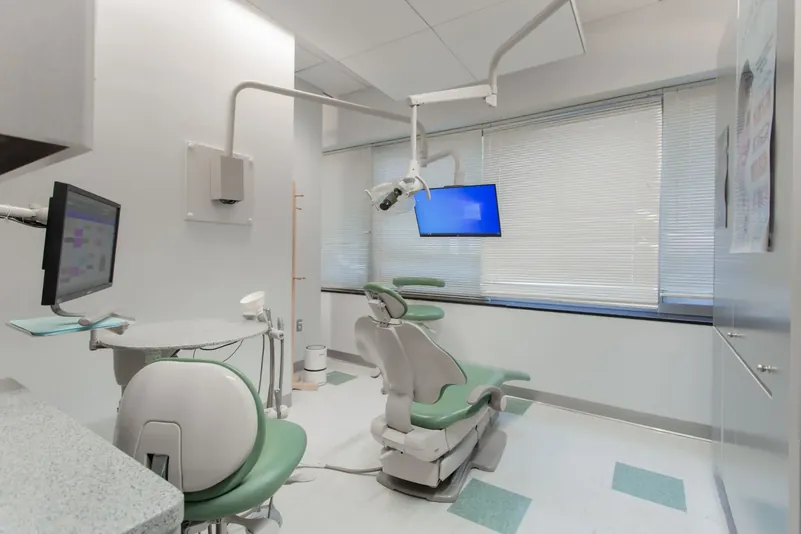
DC Dental Spa is a general dental office in Foggy Bottom, next to the George Washington University campus. Root canals, extractions, crowns, and fillings all happen in the same office, and fewer than 2% of cases are referred out.
- Emergency visit: $160 with an intraoral X-ray, or a free consultation first
- Phone: (202) 333-9282, answered 24 hours a day
- Hours: Monday, Tuesday, Thursday and Friday 7:00 am to 3:30 pm; Wednesday by appointment
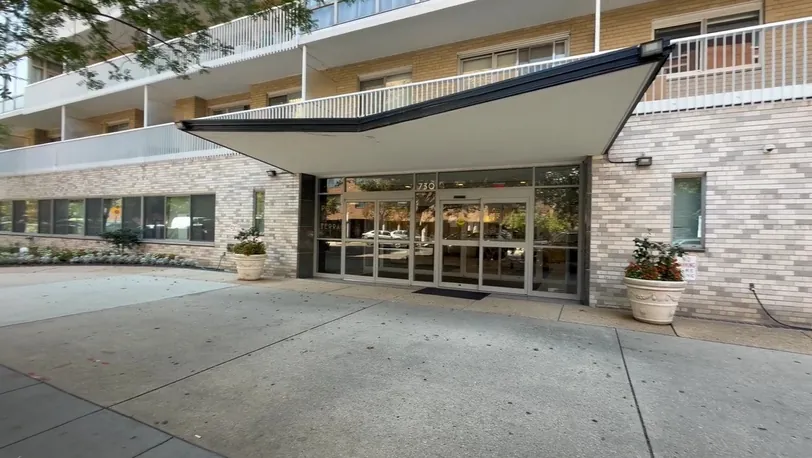
- Getting here: 730 24th St NW, Suite 9, a short walk from the Foggy Bottom-GWU Metro (Blue, Orange, and Silver lines)
- Parking: free patient parking behind the building (parking and directions)
- Languages: English and Vietnamese with Dr. Hoang, plus team members who speak Spanish and other languages
- Insurance: out-of-network, with claims filed for you
- Payment: cash, major credit cards, CareCredit, and Sunbit
- Nervous patients: twilight sedation is available
Toothache while traveling FAQ
Will the ER do anything for tooth pain?+
Yes, mostly for pain and infection. An ER can give pain medicine, treat a spreading infection, and care for injuries to the face or jaw. The tooth itself still needs a dentist, so call a dental office as soon as one opens.
What is the 3-3-3 rule for toothache?+
The 3-3-3 rule is a popular rule of thumb for ibuprofen during a toothache, usually described as 3 tablets, 3 times a day, for up to 3 days. It isn't an official guideline, and versions online disagree on the timing. Follow the dose on the label, ask a pharmacist if you take other medicines, and see a dentist within those 3 days.
Can I see an emergency dentist in DC without insurance?+
Yes. Many DC offices see self-pay patients for emergencies. Expect to pay at the visit, and ask for the cost of each step first. At DC Dental Spa, an emergency visit with an intraoral X-ray is $160, or you can start with a free consultation.
Is there a 24-hour emergency dentist in Washington, DC?+
A few DC listings advertise 24-hour emergency service, so call ahead to confirm a dentist can see you. DC Dental Spa answers its phone 24 hours a day and makes room for urgent cases. For trouble breathing or swallowing, the ER at GW Hospital on 23rd Street is open around the clock.
Why does my tooth hurt after a flight?+
Pressure changes during a flight can trigger pain in a tooth that already has a problem, such as an inflamed nerve, decay, or an old filling. Dentists call it barodontalgia. Pain that keeps going after you land needs a dental exam.
Does travel insurance cover dental emergencies?+
Often, but only up to a small limit. Travel medical plans for visitors to the US commonly pay $100 to $750 for sudden dental pain, and sometimes more for accidental injuries. Check your policy, call the assistance line, and keep every receipt.
What should I pack in a travel dental kit?+
Pack floss, dental wax, temporary filling material, a pain reliever you already use, and a small container with a lid. A tooth preservation kit with the ADA Seal helps if someone in your group knocks out a tooth.
About Dr. Rex Hoang, DMD
Dr. Rex Hoang, DMD is a general dentist and the owner of DC Dental Spa in Foggy Bottom, Washington, DC. A University of Pennsylvania dental graduate, Dr. Hoang has practiced in DC since 1990. Implants, gum disease treatment, root canals, extractions, and cosmetic work all happen in the same office, and fewer than 2% of cases are referred out. Dr. Hoang holds fellowship training in implant and laser dentistry, is a member of the American Dental Association, and completes 70 to 80 hours of continuing education every year.
Content reviewed by Dr. Rex Hoang, DMD. This article is for general information and does not replace an in-person dental examination.