Dry socket is a painful complication that follows 1% to 5% of tooth extractions, when the blood clot breaks down and leaves bone exposed.
The pain usually starts 1 to 5 days after the extraction. It throbs, spreads along the jaw, and over-the-counter pain relievers barely help. A dentist treats it with a rinse and a medicated dressing.
Key Highlights
- Dry socket follows 1% to 5% of extractions and up to 38% of lower wisdom tooth extractions.
- Pain usually starts 1 to 3 days after the extraction, and sometimes as late as day 5.
- Smokers developed dry socket after 13.2% of extractions in a 2022 meta-analysis, compared with 3.8% for non-smokers.
- Treatment is a rinse and a medicated dressing at the dental office, with the dressing changed daily until the pain eases.
- With proper care, a dry socket usually heals in 7 to 10 days.
In this article
- Dry socket, normal healing or infection?
- What does dry socket look like?
- Dry socket symptoms
- When dry socket starts and how long it lasts
- What causes dry socket
- How dry socket is treated
- How to care for dry socket at home
- How to prevent dry socket
- Dry socket FAQ
Dry socket, normal healing or infection?
Pain after an extraction has three common causes, and each one looks and feels different.
| Sign | Normal healing | Dry socket | Infection |
|---|---|---|---|
| When pain is worst | Days 1 to 3, then easing | Starts or spikes on days 1 to 5 | Keeps building along with the swelling |
| What you see | Dark clot, then a cream or white layer | Empty-looking hole, sometimes pale bone | Pus, redness, swelling around the site |
| Where it hurts | At the socket | Spreads to the ear, eye, temple or neck | At the socket and the swollen area |
| Taste and breath | Mild, clears with rinsing | Bad taste and bad breath | Bad taste, often with discharge |
| Fever | None | None or low-grade, under 101°F | Can rise above 101°F |
| What helps | Over-the-counter pain relievers | A medicated dressing at the office | An exam and, if needed, antibiotics |
A fever above 101°F points to infection instead of dry socket.
Go to the emergency room if swelling makes it hard to swallow or breathe, or is closing an eye.
What does dry socket look like?
A dry socket looks like an empty hole where the dark blood clot should be.
Look for these signs in the mirror:
- No clot, or only part of one left
- Pale or white bone visible deep in the socket
- A dry, grayish surface where the dark red clot was
- Food trapped in the open socket
A smooth cream or white layer that covers the socket evenly is normal healing tissue, so leave it alone. Our guide to what a normal socket looks like, day by day shows each healing stage.
If you can't tell what you're seeing, go by the pain. A normal socket hurts a little less each day, while a dry socket hurts more as the days go on.
Dry socket symptoms
Dry socket symptoms include:
- Severe pain within a few days of the extraction
- Pain that spreads to the ear, eye, temple or neck on the same side
- A socket that looks empty, with some or all of the clot gone
- Bone you can see in the socket
- Bad breath or a foul odor from the mouth
- A bad taste that rinsing doesn't clear
Red flags:
- Pain that eased, then suddenly got worse
- Pain that keeps you up at night
- Pain that over-the-counter pain relievers don't touch
Call the office if you notice any of these red flags.
How do you tell if you are getting a dry socket?+
Watch the direction of your pain. Normal extraction pain is worst for 1 to 3 days, then eases a little each day.
Dry socket pain often starts right when you expected to feel better. It throbs, spreads toward the ear, and barely responds to pain relievers. A socket that looks empty confirms it.
When dry socket starts and how long it lasts
Dry socket has a predictable window.
- Days 1 to 3: the most common time for dry socket pain to start
- Day 5: the usual outer edge for new dry socket pain
- After treatment: the dressing covers the exposed bone, which is the source of the pain
- 7 to 10 days: the usual healing time with proper care
StatPearls puts the onset at 1 to 5 days after surgery. The same review describes dry socket as self-limiting, settling within days of treatment.
New, severe pain that first appears after day 7 is less typical. Get it checked, since infection is more likely at that stage.
What causes dry socket
Dry socket starts when the blood clot breaks down too early.
The clot protects the bone and nerve endings in the socket. Once it dissolves or falls out, the bone is exposed to air, food, and saliva. Exposed bone is what hurts.
Researchers haven't pinned down the exact cause, but they know which factors raise the risk.
Higher-risk patients:
- Smokers. A 2022 meta-analysis of 11 studies and 10,195 patients found dry socket after 13.2% of extractions in smokers. The rate for non-smokers was 3.8%.
- Lower wisdom tooth extractions. Up to 38% of these sockets develop dry socket.
- Women taking estrogen birth control pills
- Difficult or surgical extractions
- A previous dry socket
- Poor oral hygiene or a current gum or tooth infection
Higher-risk habits after the extraction:
- Drinking through a straw
- Spitting hard or rinsing too forcefully
- Smoking or vaping
Straws, hard spitting, and smoking all create suction or pressure that can pull the clot loose.
How dry socket is treated
Dry socket needs a dental visit. Home care can ease the pain, but it can't replace the treatment.
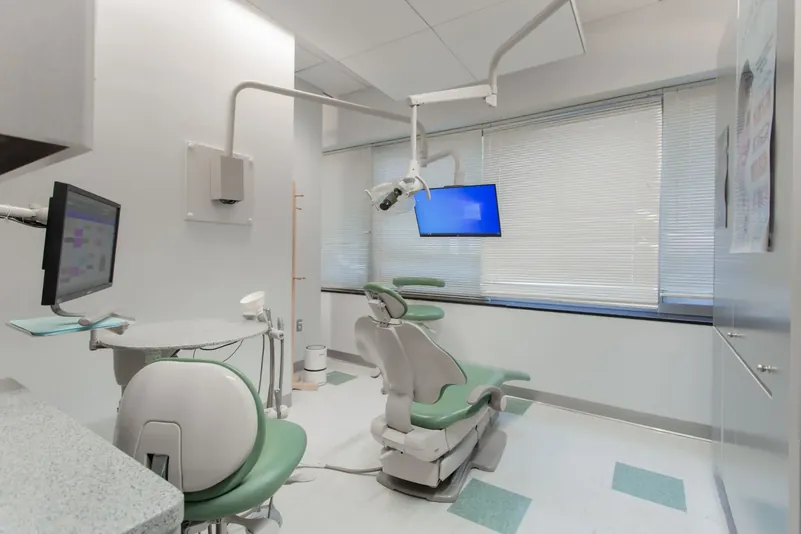
A typical visit at DC Dental Spa looks like this:
- Exam and X-ray. The dentist checks the socket and rules out a leftover tooth fragment or infection.
- Numbing. A local anesthetic makes the area comfortable.
- Rinse. The socket is flushed clean of food and debris.
- Medicated dressing. A soothing dressing goes into the socket to cover the exposed bone.
- Follow-up. The dressing is changed daily until the pain eases and the socket starts to heal.
Antibiotics are not standard for dry socket. A 2018 review found little evidence that antibiotics given after an extraction reduce dry socket. They are used when the socket shows signs of infection.
Pain relief: ibuprofen and acetaminophen can be taken together, and the pairing often works better than opioids for dental pain. Ask the office which doses fit your health history.
DC Dental Spa treats dry socket and other dental emergencies with a $160 visit that includes an intraoral X-ray, or a free consultation first. The phone line is answered 24 hours a day.
Get dry socket pain treated todayWill a dry socket go away on its own?+
Yes, a dry socket eventually heals on its own. Without treatment, though, the pain can drag on for days. A medicated dressing covers the exposed bone that causes the pain. The visit also lets the dentist rule out infection.
Does salt water heal a dry socket?+
Salt water doesn't heal a dry socket. Gentle warm salt-water rinses keep the socket clean and can ease soreness. The exposed bone still needs a dressing from the dentist. Let the rinse fall out of your mouth instead of spitting.
How to care for dry socket at home
Use these steps while the socket heals:
- Take pain relievers exactly as the office recommends.
- Hold a cold pack on the outside of your cheek.
- Rinse gently with warm salt water after meals, then let it drip out.
- Eat soft foods such as yogurt, applesauce, smoothies and pureed soup.
- Skip small, gritty foods like rice and seeds that lodge in the socket.
- Avoid smoking and alcohol until the socket heals.
- Keep the dressing in place. Don't poke it with your tongue or a finger.
Call the office if the pain stops improving after the dressing.
How to prevent dry socket
Prevention comes down to protecting the clot for the first week.
Before the extraction:
- Tell the dentist if you smoke or take birth control pills.
- Stop smoking as early as you can.
- Mention any medicines that affect clotting.
After the extraction:
- Rest the day of surgery.
- Skip straws for at least a week, and skip tobacco for at least 48 hours, longer if you can.
- Rinse gently with salt water several times a day for a week, starting the day after surgery.
- Eat soft foods on day one.
- Brush gently, and avoid the socket itself for the first 24 hours.
For high-risk extractions, some dentists prescribe a chlorhexidine rinse. StatPearls rates it the best-supported prevention method.
How do I avoid getting a dry socket?+
Protect the blood clot for the first week. Skip straws for at least 7 days and tobacco for at least 48 hours. Avoid hard spitting and forceful rinsing. Eat soft foods and rinse gently with warm salt water from the day after surgery. Tell the dentist if you smoke or take birth control pills.
Get dry socket treated in Foggy Bottom
Dry socket pain is treatable in a single office visit, with follow-up dressing changes until the socket settles.
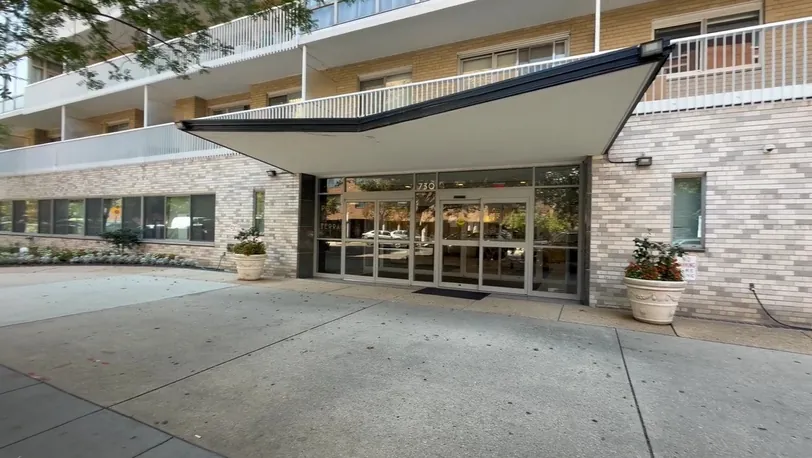
- Where: 730 24th St NW, Suite 9, Washington, DC, with free patient parking behind the building
- When: the phone line is answered 24 hours a day
- Cost: $160 for an emergency visit with an intraoral X-ray, or a free consultation first
Dry socket FAQ
Is dry socket dangerous?+
Dry socket is painful but rarely serious. It seldom leads to infection or lasting problems. The main effects are slower healing and pain that lasts longer than usual. Fever, pus or growing swelling point to infection, which needs prompt care.
Can you get dry socket after a week?+
Dry socket usually starts within 5 days of an extraction. New, severe pain that first appears after a week is less likely to be dry socket. Infection or food trapped in the socket are more common causes at that stage. Either way, the socket needs an exam.
Can you have dry socket without pain?+
Dry socket almost always hurts. Pain from exposed bone is the main symptom. A socket that looks empty but doesn't hurt is often healing normally, with the clot replaced by pale tissue. Have it checked if you're unsure.
Does dry socket smell?+
Yes, dry socket often causes bad breath and a foul taste. Food and bacteria collect in the open socket. Rinsing gently with warm salt water helps, but the smell usually fades only after treatment.
Can you get dry socket on an upper tooth?+
Yes, though it's less common. Lower teeth, and lower wisdom teeth most of all, carry the highest risk. Lower wisdom tooth sockets develop dry socket in up to 38% of cases.
How long does dry socket last?+
With treatment and good home care, a dry socket usually heals in 7 to 10 days. The medicated dressing protects the exposed bone while it heals. Without treatment, the pain can last longer.
About Dr. Rex Hoang, DMD
Dr. Rex Hoang, DMD is a general dentist and the owner of DC Dental Spa in Foggy Bottom, Washington, DC. A University of Pennsylvania dental graduate, Dr. Hoang has practiced in DC since 1990. Implants, gum disease treatment, root canals, extractions, and cosmetic work all happen in the same office, and fewer than 2% of cases are referred out. Dr. Hoang holds fellowship training in implant and laser dentistry, is a member of the American Dental Association, and completes 70 to 80 hours of continuing education every year.
Content reviewed by Dr. Rex Hoang, DMD. This article is for general information and does not replace an in-person dental examination.