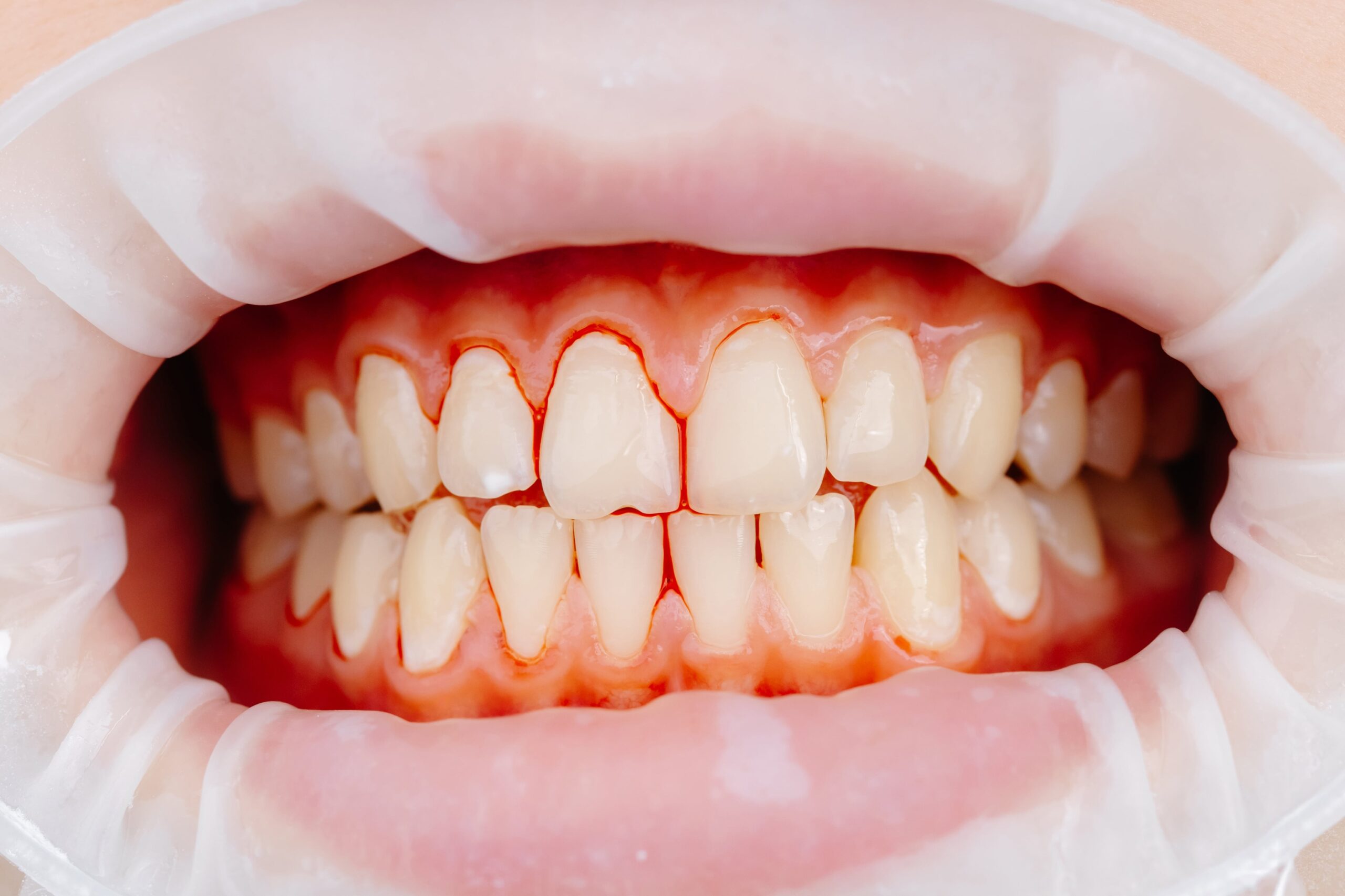
What Causes Gum Recession?
Understanding what leads to gum recession is the first step toward treatment and prevention.
Common Causes Include:
- Periodontal (gum) disease
- Aggressive brushing or hard-bristled toothbrushes
- Genetic predisposition
- Poor oral hygiene habits
- Orthodontic movement or trauma
- Tobacco use
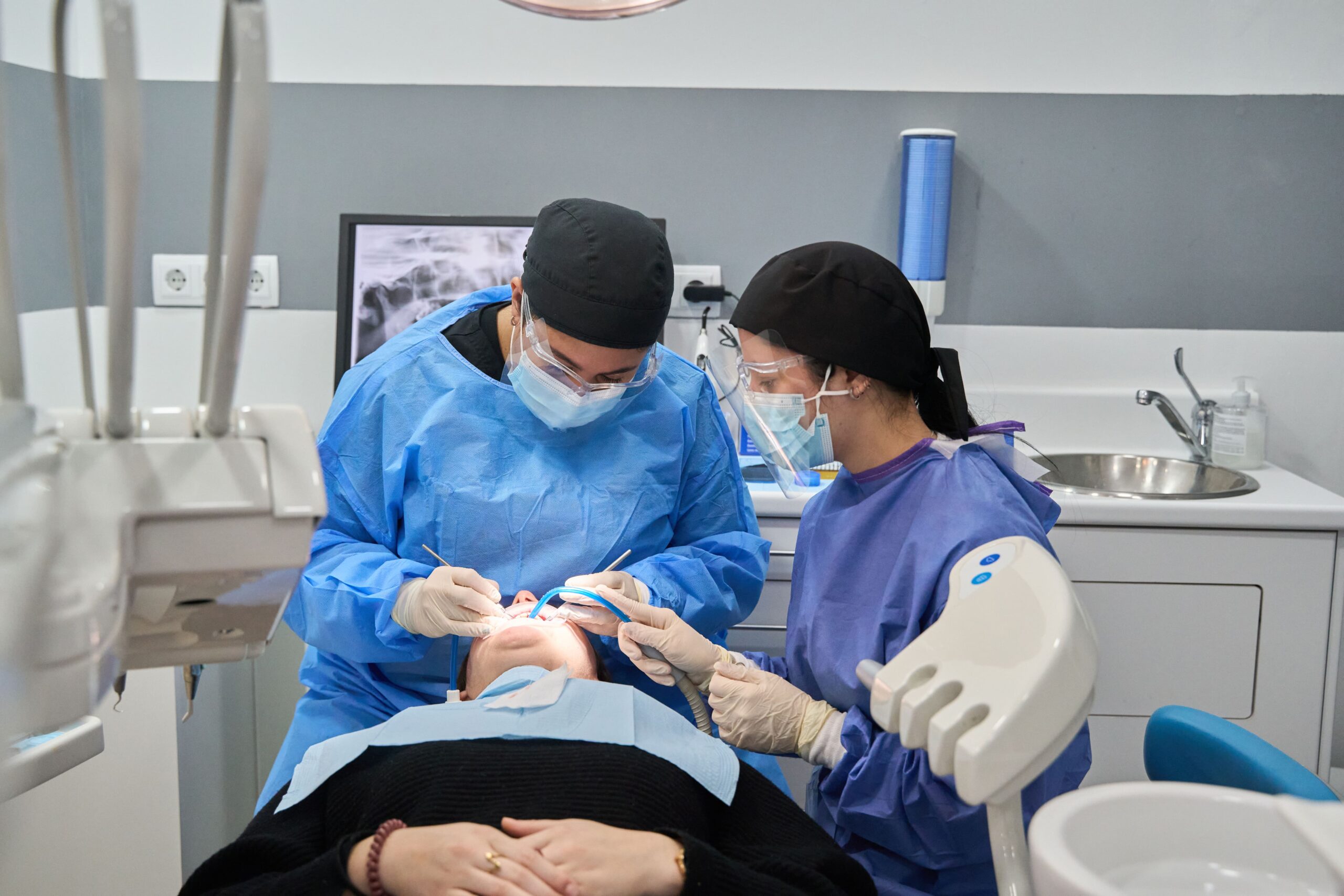
Our dental team will pinpoint the root cause of your gum recession and design a care plan that restores balance and supports long-term gum health.
Benefits of Gum Grafting
Gum grafting offers both aesthetic and protective benefits, improving the health and appearance of your smile.
Why Patients Choose Gum Grafting
- Protects exposed roots from decay and sensitivity
- Prevents further gum loss and stabilizes teeth
- Improves gumline symmetry for a more attractive smile
- Supports better oral hygiene and gum health
- Boosts self-confidence in your smile
Types of Gum Grafts We Offer
We tailor each grafting procedure to your gum health, tissue type, and comfort needs.
Connective Tissue Graft
The most common type, this technique uses a small layer of tissue from beneath the roof of your mouth to cover exposed roots for a secure and natural-looking result.
Free Gingival Graft
Ideal for patients with thin gum tissue, this method strengthens and thickens the gums using tissue from the palate.
Pedicle Graft
If enough gum tissue surrounds the affected tooth, nearby tissue can be repositioned to cover exposed roots seamlessly.
Donor or Regenerative Grafts
For patients seeking the least invasive option, high-quality donor or regenerative materials can replace traditional grafts for faster healing.
Your dentist will review each option and explain which one best fits your smile and comfort goals.
The Gum Grafting Procedure
Your comfort is our top priority at every step of the process.
Step 1: Consultation and Planning
We begin with a thorough exam and review of your dental history. Your dentist will assess the recession area, discuss your options, and create a personalized treatment plan.
Step 2: Local Anesthesia and Preparation
We gently numb the treatment site so you feel comfortable and relaxed.
Step 3: Grafting and Placement
Healthy tissue is positioned and secured over the affected area, protecting the roots and restoring your gumline.
Step 4: Recovery and Aftercare
You’ll receive aftercare instructions and check-in visits to monitor your healing. Most patients see improvement within two to three weeks.